Table of Contents
ToggleAdding a patio enclosure or sunroom isn’t just about extending your living space, it’s about reclaiming your outdoor area for year-round use. Whether you’re looking to escape harsh weather, create an insect-free entertaining zone, or build a cozy retreat, patio enclosures and sunroom ideas offer something for every budget and lifestyle. The market for these additions has exploded in recent years, with options ranging from simple screen enclosures to sophisticated glass four-season rooms. This guide walks you through the types available, smart budget choices, design considerations, and practical tips for maximizing your new outdoor room.
Key Takeaways
- Patio enclosures and sunroom ideas range from budget-friendly screen enclosures ($2,000–$6,000) to premium glass four-season rooms ($15,000–$50,000+), allowing homeowners to extend outdoor living year-round regardless of budget.
- Screen enclosures are the most cost-effective entry point, with aluminum or vinyl frames requiring minimal maintenance while offering insect protection and weatherproofing without complex construction.
- Glass sunrooms and four-season rooms require permits and building code compliance but deliver unobstructed views, maximum natural light, and genuine year-round comfort through climate control and insulation.
- Strategic design choices like frame color, window-to-wall ratios, and material selection directly impact both aesthetics and functionality, ensuring your patio enclosure complements your home’s architecture.
- Proper ventilation, interior shading, electrical access, and durable weather-resistant furniture are essential for transforming a patio enclosure into a genuinely livable space used daily rather than seasonally.
Types of Patio Enclosures and Sunroom Designs
Glass Sunrooms and Four-Season Rooms
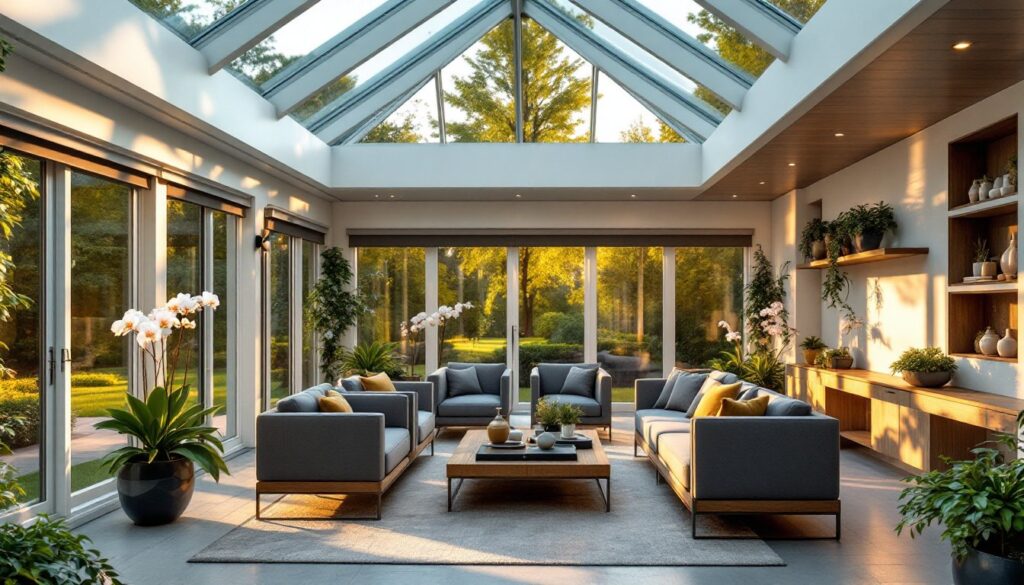
Glass sunrooms are the premium choice for year-round comfort and natural light. A true four-season room includes insulation, climate control (heating and cooling), and weatherproofing that lets you use the space like any interior room. These feature double or triple-glazed tempered glass panels, rigid frame construction (usually aluminum or vinyl), and proper drainage to handle rain and snow load.
The appeal is obvious: unobstructed views, maximum daylight, and protection from the elements. But the trade-off is cost and complexity. Four-season rooms typically run $15,000–$50,000+ depending on size and materials, and most jurisdictions require permits and inspections because they’re considered structural additions that must meet building codes like the International Residential Code (IRC).
A less expensive variant is the three-season room, insulated but not fully heated/cooled, suitable for spring, summer, and fall use. These skip some climate control infrastructure, bringing costs down by 30-40%.
Screen Enclosures and Retractable Options
Screen enclosures are the budget-friendly entry point. A simple screened-in porch keeps bugs and debris out while allowing airflow. Frame styles range from wood (traditional, requires maintenance) to aluminum (durability, low upkeep) to vinyl (clean look, excellent weather resistance). Material thickness matters: look for #17 or #16 gauge aluminum for better durability.
Screen mesh options vary too. Standard fiberglass mesh is affordable but less durable. Aluminum or stainless steel mesh resists tearing and lasts longer, though costs a bit more per panel. Solar or privacy screens reduce glare and heat while maintaining visibility.
Retractable enclosures blend flexibility with protection. Motorized screen systems or roll-up glass panels let you open the space on nice days and close it during rain or cold snaps. They’re pricier than fixed screens ($3,000–$10,000 installed) but give you the best of both worlds if you want seasonal control without commit to a permanent structure.
Budget-Friendly Patio Enclosure Ideas
If your wallet isn’t ready for a four-season room, practical alternatives exist. A DIY-friendly screened porch using a prefab kit can run $2,000–$6,000 for materials on a standard 12×16-foot footprint. Kits include pre-cut frames, screen panels, and hardware, cutting down on design work and waste.
Another budget move: partial enclosure. Instead of enclosing the entire patio, section off half with a retractable screen or removable panels. You get seating protection and bug-free lounging for less than full coverage. This also avoids many permit requirements since it doesn’t alter the structure permanently.
Don’t overlook shade and weatherproofing combos. A quality retractable awning ($1,500–$3,500) plus removable screen panels or storm panels gives seasonal flexibility. Pair this with strategic landscaping, tall shrubs, trees, and you’ve extended your usable season without major construction. Sunroom additions that combine these weatherproofing strategies help budget-conscious homeowners plan systematically before diving into pricey permanent installations.
For small spaces or renters, freestanding screen tents ($500–$2,000) or pop-up canopy systems with mesh sides offer temporary bug and sun protection. They’re not permanent, but they’re portable and require zero installation skills.
Design and Aesthetic Considerations
Your enclosure should complement your home’s architecture, not clash with it. Match the frame color and material to trim, decks, or siding: vinyl frames suit modern and ranch-style homes, while wood frames blend into traditional colonials. Aluminum works with almost any style but shows heat more visually in direct sun.
Light and views matter enormously. Floor-to-ceiling glass maximizes natural light and sightlines, while partial-height enclosures (with solid panels below windows) offer privacy and wind protection. Consider ceiling options: open ceiling (cheaper, natural ventilation but less protection) versus insulated or polycarbonate ceiling (full weather protection, added warmth, but less sky view).
Color choices are subtle but impactful. White and neutral frames recede visually, making the space feel larger. Dark frames add definition and hide dirt but absorb heat. Natural wood frames age beautifully but demand annual maintenance. Thoughtfully designed sunrooms showcase how material choice, frame color, and window-to-wall ratios transform outdoor spaces from underutilized decks into inviting rooms.
Planting integration: built-in planter boxes, hanging baskets, or a corner dedicated to greenery blur the line between indoor and outdoor, making the room feel like an extension of nature rather than an artificial bubble. Think about sightlines into your yard and how the enclosure frames your landscape.
Maximizing Functionality and Comfort
An enclosure is only as useful as what you do in it. Start by defining the purpose: entertaining, quiet retreat, plant sanctuary, or all-season workout space. This drives layout, furniture selection, and climate control needs.
Ventilation and airflow are critical, especially in screened spaces. Without air movement, a closed enclosure becomes a sauna in summer. Include operable windows or vents (not just screens) so air can move. Ceiling fans are inexpensive comfort boosters and create the illusion of a breeze even on still days.
For glass rooms, interior shading prevents overheating and glare. Cellular shades, roller shades, or exterior motorized blinds all work: motorized options are pricier but convenient. In cooler months, thermal shades help retain heat. Insulated flooring (radiant heat or rugs over subfloor) makes a huge difference on cold days.
Electrical access transforms an enclosure from a seasonal sitting area into a genuine living space. Running circuits for outlets, lighting, and fans requires a licensed electrician and permits in most areas. Ceiling lights, accent lamps, and task lighting make evening use enjoyable. Smart controls let you dim lights or adjust fans without leaving your lounging spot.
Furniture choices should be durable and suited to the climate. Metal or resin-wicker pieces withstand humidity and temperature swings better than solid wood. Outdoor fabrics (solution-dyed polyester) resist fading and mold. Practical design strategies highlight how proper furnishing, lighting, and climate management turn a patio enclosure into a legitimate living room that’s used daily, not seasonally.
Conclusion
A patio enclosure or sunroom is a solid investment in your home’s usable square footage and your quality of life. Start with an honest assessment of your budget, climate, and how you’ll actually use the space. Screen enclosures deliver big comfort gains at modest cost: glass rooms demand deeper pockets but deliver year-round livability and resale appeal. Either way, thoughtful design, proper ventilation, and functional elements like lighting and shading transform an underused patio into a room your family genuinely wants to occupy.