Table of Contents
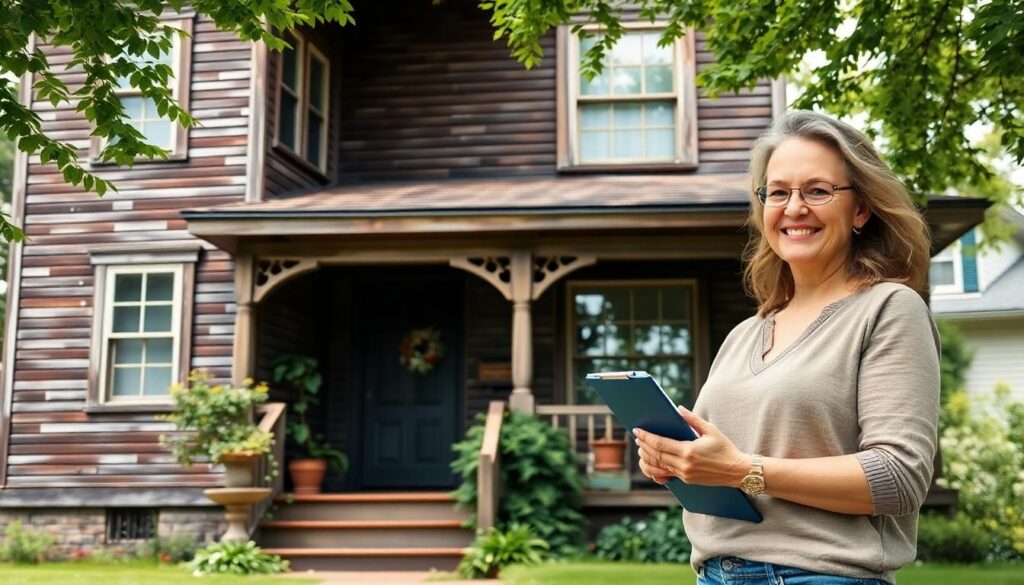
ToggleOwning an older home is like having a vintage car; it’s charming and full of character but can also come with its fair share of quirks. While you might adore those creaky floorboards and that retro wallpaper, they could also lead to some unexpected surprises when it comes to home insurance. Finding the right coverage for an older home is crucial, not just for peace of mind but to protect your beloved abode from potential mishaps.
Understanding Home Insurance For Older Homes
Older homes present a distinct set of challenges when it comes to home insurance. It’s essential for homeowners to understand their coverage options thoroughly.
Importance of Home Insurance
Home insurance acts as a safety net for owners of older homes. Financial protection against risks like fire, theft, and natural disasters proves critical. Policies also cover personal liability in case of accidents on the property. Having the right coverage ensures peace of mind and helps homeowners navigate unexpected repairs or damages. This insurance not only safeguards the property but also preserves the investment in a potentially appreciating asset.
Unique Challenges of Older Homes
Older homes often contain outdated systems that can heighten risks. Electrical wiring, plumbing, and roofing may require costly repairs or replacements. Home insurers might view these factors as hazards, leading to higher premiums or limited coverage. Homeowners may encounter difficulties in documenting the home’s value due to renovations or historical significance. Understanding these challenges enables owners to seek tailored coverage that accurately reflects their unique property’s needs. Adjusting to these realities promotes better protection and management of older residences.
Coverage Options For Older Homes
Understanding coverage options is crucial for homeowners of older properties. Specialized policies cater to the unique needs of these homes, ensuring adequate protection.
Dwelling Coverage
Dwelling coverage protects the physical structure of an older home. This policy typically covers damage from risks such as fire and storms. Many older homes possess unique features and materials that require an accurate appraisal for coverage. Many insurers offer replacement cost coverage, which pays for repairing or rebuilding using similar quality materials. Homeowners should assess potential limitations in coverage, as older properties may not be fully covered if they experience damage due to outdated electrical or plumbing systems.
Personal Property Coverage
Personal property coverage safeguards belongings within an older home. This aspect includes furniture, appliances, and electronics against theft or damage. Homeowners should inventory their belongings to determine the appropriate coverage level. Many policies offer actual cash value or replacement cost coverage options. Understanding the policy’s specifics prevents potential gaps, especially when historical items or antiques are in the home. Documenting valuable items with photographs may also help secure adequate compensation in case of a claim.
Liability Coverage
Liability coverage protects homeowners from claims arising from injuries or accidents on their property. This coverage is particularly important for older homes, which may have added risks due to age-related wear, such as uneven flooring or unstable staircases. Homeowners should consider higher liability limits to provide greater financial protection. Many policies cover legal fees and medical expenses related to incidents on the property. By understanding the benefits of liability coverage, owners can address unique risks associated with older homes and enhance overall peace of mind.
Factors Affecting Premiums
Home insurance premiums for older homes often reflect their unique characteristics and potential risks. Pricing largely depends on various factors, including the home’s age and any renovations performed.
Age of the Home
Older homes typically come with higher premiums due to outdated structures and systems. Homeowners must consider the risks associated with aging electrical systems, plumbing, and roofing. Lenders perceive these factors as increases in risk, leading to elevated insurance costs. Insurers may require thorough inspections to assess the property’s condition. The age may also limit replacement cost coverage, resulting in more expensive premiums. Homeowners should seek policies that account for the age-specific challenges of their property. Understanding these nuances helps in negotiating better rates and coverage options.
Renovations and Upgrades
Renovations and upgrades can positively impact home insurance premiums. Modernizing components like plumbing and electrical systems may reduce risks significantly, which can lead to lower premium rates. Insurers often favor homes with recent updates, reflecting a lower likelihood of claims. Homeowners need to document all renovations to ensure coverage accurately reflects the current state of the home. Upgrades such as impact-resistant windows or enhanced security systems may also provide discounts. Careful consideration and planning regarding improvements can lead to substantial savings on insurance costs. Scheduled inspections post-renovation can further solidify the home’s insurability.
Finding the Right Insurance Provider
Choosing the right insurance provider for an older home requires careful consideration. This decision impacts coverage quality and premium rates.
Comparing Quotes
Gathering insurance quotes from multiple providers helps homeowners make informed decisions. Prices vary significantly between companies, so assessing at least three to five quotes ensures competitive options. When comparing, focus on coverage features that matter to older homes, such as the specifics of dwelling coverage and liability limits. Note additional costs tied to the age of the home, as these can influence premiums. A comprehensive comparison highlights value beyond just price, prioritizing necessary coverage for unique risks associated with older properties.
Reading Reviews and Testimonials
Researching reviews and testimonials offers insights into an insurance provider’s reliability. Homeowners should check online platforms for feedback, paying attention to customer experiences regarding claims processing and support. Positive reviews often signal prompt responses to inquiries, essential for homeowners who might face unexpected issues. It’s advisable to consider both negative and positive feedback to gauge overall satisfaction. Trustworthy providers typically have a solid reputation within local communities, resulting from effective service and user-friendly policies that cater to older home owners.
Tips For Homeowners
Homeowners can take specific steps to ensure comprehensive coverage for their older homes. Prioritizing maintenance and documentation often leads to better protection and lower insurance costs.
Regular Maintenance
Regular maintenance significantly enhances the safety and integrity of older homes. Inspections for wear in electrical systems, plumbing, and roofing should occur annually. Keeping records of repairs and improvements provides insurers with information about the home’s upkeep. Upgrading outdated systems often reduces risks and can lead to lower premiums. Homeowners benefit from addressing issues promptly to prevent costly repairs that can affect insurance claims.
Documenting Home Conditions
Documenting home conditions assures homeowners have accurate records for insurance purposes. Photographs of each room and any unique architectural features show the home’s current state. Creating an inventory of personal belongings helps establish value in case of loss. It’s vital to maintain these records over time, as renovations or changes can affect coverage. Regularly updating documentation enhances the chance of securing adequate protection and simplifies the claims process.
Navigating the world of home insurance for older homes requires careful consideration and proactive measures. Homeowners should prioritize finding a policy that not only provides adequate coverage but also reflects the unique characteristics of their property. By understanding the specific challenges associated with older homes and taking steps to document their value and maintain their systems, they can secure better protection and potentially lower premiums. Investing time in researching insurance providers and comparing quotes will lead to informed decisions that safeguard their cherished residences. Ultimately, the right insurance can offer peace of mind and financial security for those who embrace the charm of older homes.