Table of Contents
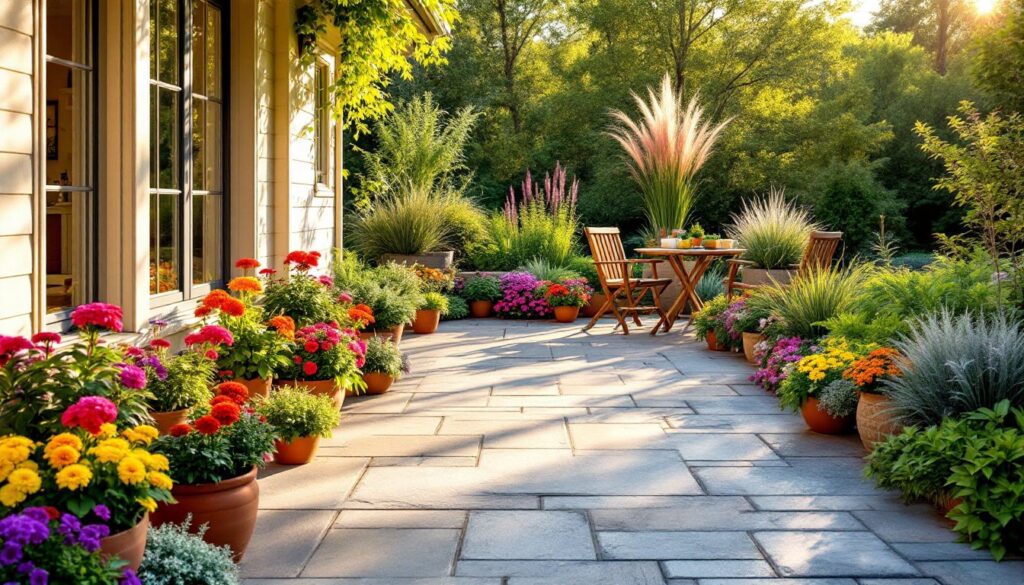
ToggleA patio is one of the most-used spaces in any home, yet many homeowners leave theirs looking bare and uninviting. Adding the right patio plants can completely change the look and feel of your outdoor area, whether you’re creating a vibrant flower display, establishing a shaded retreat, or growing fresh herbs steps away from your kitchen. The key is choosing plants that fit your climate, light conditions, and maintenance budget. In 2026, there’s more variety than ever in container-friendly options that thrive in compact spaces. This guide covers the best patio plants across different categories to help you design an outdoor oasis that works for your lifestyle.
Key Takeaways
- Petunias, marigolds, and zinnias are reliable flowering patio plants that bloom continuously from spring through frost with minimal maintenance and at least 6 hours of daily sun.
- Shade-tolerant foliage plants like hostas, ferns, and ornamental grasses create visual structure and depth without requiring deadheading, making them ideal for less sunny patios.
- Edible and herb gardens in containers give you fresh basil, rosemary, thyme, and compact vegetables like cherry tomatoes steps from your kitchen with proper soil and sunlight.
- Drought-tolerant succulents, sweet potato vine, and coreopsis thrive on neglect, requiring infrequent watering and minimal feeding, perfect for busy homeowners.
- Group plants by water needs and sunlight requirements, then start small with one or two containers before expanding your patio plants design as you gain confidence.
- Morning watering and well-draining soil are essential for all patio plants to prevent root rot and maximize water efficiency in outdoor containers.
Flowering Plants That Add Color and Curb Appeal
Petunias, Marigolds, and Zinnias for Continuous Blooms
When it comes to reliable color from spring through first frost, few choices beat the annual flowering trio of petunias, marigolds, and zinnias. These sun-loving plants are forgiving, fast-growing, and produce blooms for months with minimal fuss.
Petunias are prolific bloomers available in nearly every color except true blue. The wave and trailing varieties spill beautifully over container edges and soften hardscape lines. They prefer at least 6 hours of direct sun and well-draining potting soil. Deadheading (pinching off spent flowers) encourages more blooms, though modern varieties are increasingly “self-cleaning”, meaning they drop old flowers naturally.
Marigolds are practically indestructible. They tolerate poor soil, heat, and drought better than most annuals, making them ideal for neglectful gardeners or patios in hot climates. Yellow, orange, and red varieties range from dwarf (8 inches) to tall (3 feet), so you can layer them by height. They also repel some garden pests, a bonus if your patio abuts vegetable beds.
Zinnias deliver bold, cheerful blooms in coral, purple, pink, and white. They’re excellent for cutting (which actually promotes more flowering) and attract pollinators like bees and butterflies. Zinnias thrive in heat and humidity but need good air circulation to prevent powdery mildew, so space containers with some breathing room.
All three prefer full sun (6–8 hours minimum) and benefit from weekly watering during hot spells. Plant them after the last spring frost in containers at least 12 inches deep with quality potting mix amended with perlite or coarse sand for drainage. Pair them with trailing ivy or dusty miller for texture contrast that adds visual depth to mixed containers.
Greenery and Foliage Plants for Shade and Structure
Hostas, Ferns, and Ornamental Grasses
Not every patio gets full sun, and not every gardener wants constant flower maintenance. Shade-tolerant foliage plants create structure, soften transitions, and add visual interest without requiring deadheading. They’re the backbone of any layered patio design.
Hostas are reliable shade performers with broad, sculptural leaves available in blue, chartreuse, variegated, and striped varieties. They work equally well in ground beds or large containers (18+ inches deep). Keep them consistently moist but not waterlogged: hostas appreciate afternoon shade in hot climates and benefit from organic-rich soil. They’re not known for their flowers, but many produce delicate lavender spikes that attract hummingbirds if you want a bonus attraction.
Ferns add a lush, cottage-garden aesthetic and thrive in dappled shade where many plants struggle. Boston ferns, autumn ferns, and Japanese painted ferns offer different textures, from fine, feathery fronds to bold, architectural forms. Ferns prefer consistent moisture and humidity: grouping several containers together helps raise humidity and creates a shaded microclimate. In dry climates, mist them regularly or place saucers of water near containers to increase ambient moisture.
Ornamental grasses bring movement and a contemporary edge to patios. Shorter varieties like blue fescue (8–12 inches) and pink muhly (2–3 feet) work in containers: taller varieties suit ground borders. Most prefer sun to part sun and well-draining soil. They’re extremely low-maintenance once established, cut them back hard in early spring, and they’ll return fuller than before.
These foliage plants work best in odd-numbered groupings (threes or fives) of varying heights and leaf shapes. A hosta, fern, and trailing ivy create a layered, professional look that evolves year-round.
Edible and Herb Gardens on Your Patio
Growing fresh herbs and vegetables on your patio isn’t just practical, it transforms an underused corner into a functional kitchen garden. Container gardening gives you control over soil quality and watering, which edibles demand more than ornamentals.
Herbs like basil, rosemary, thyme, and parsley thrive in 8–10 inch containers with well-draining potting mix. Basil is a warm-season annual (plant after the last frost): rosemary and thyme are perennials in zones 5 and warmer, though thyme tolerates colder climates. Pinch off growing tips regularly to encourage bushier growth and delay flowering (once herbs flower, leaf flavor declines). Site herbs in a spot that gets 6+ hours of sun and stays relatively wind-protected, as moving air dries containers faster.
Compact vegetables like cherry tomatoes, peppers, and bush beans produce well in containers 5 gallons or larger. Cherry tomatoes need sturdy stakes or cages: determinate (bush) varieties are more forgiving than indeterminate types. Peppers prefer warm soil and consistent moisture, use black containers or paint them dark to absorb extra heat in cooler climates. These crops benefit from mid-season feeding with balanced fertilizer every 3–4 weeks once they start flowering.
Strawberries and blueberries work beautifully in vertical towers or hanging baskets. Strawberries need 6–8 inches of soil depth: blueberries prefer acidic soil and 18–24 inches of depth. Both are perennial investments that return year after year with minimal fuss.
The beauty of edible patio gardens is that they reward attention. DIY outdoor planters and container combinations can help you create visually appealing edible gardens that don’t look purely utilitarian. Group herbs by water needs (Mediterranean herbs like rosemary and thyme together, for example) to simplify watering routines.
Low-Maintenance Plants for Busy Homeowners
If your schedule doesn’t allow for daily watering or frequent deadheading, drought-tolerant and low-fuss plants are your answer. These species thrive on neglect and add character without demanding attention.
Succulents and sedums store water in their leaves, so they survive weeks without watering. Echeveria, jade plants, and aloe tolerate poor soil and full sun. They’re perfect for sunny patios and work equally well solo or in mixed containers. Use gritty, well-draining cactus soil rather than standard potting mix, regular soil holds too much moisture and causes root rot. Water thoroughly when the soil is completely dry, then wait again.
Ornamental sweet potato vine spreads vigorously and creates dramatic foliage in chartreuse or deep purple. It tolerates heat, drought, and poor soil while trailing 3–4 feet from a single container. Plant it in spring and it’ll fill a large patio bed by midsummer with minimal supplemental watering once established.
Calibrachoa (million bells) produces masses of tiny, bright flowers and actually looks better when you ignore it. Less water and fertilizer means more flowers and fewer leggy stems. It cascades beautifully and works as a solo specimen or mixed with upright plants.
Coreopsis (tickseed) blooms continuously in yellow, pink, or red for months with only occasional deadheading. It tolerates drought, poor soil, and heat. Plant it in containers or borders: in zones 3–11, it returns year after year.
When choosing low-maintenance plants, group by water needs. Place succulents and sweet potato vine in one area away from moisture-loving plants. Use mulch or gravel on container surfaces to reduce evaporation and create a finished look. According to resources like The Spruce, watering early morning when it’s cooler reduces waste and helps plants absorb moisture more efficiently.
Conclusion
The right patio plants transform outdoor space from bare hardscape into an inviting retreat. Whether you prioritize color, shade, fresh herbs, or low maintenance, there’s a combination that fits your climate and lifestyle. Start small with one or two containers, get comfortable with watering and feeding routines, then expand as you build confidence. Browse inspiration on sites like Better Homes & Gardens for seasonal ideas, but remember: the best patio garden is the one you’ll actually maintain. Plan around sunlight and water access, choose plants suited to your zone, and don’t skip prep work. Your future self, relaxing with morning coffee on a plant-filled patio, will thank you.