Table of Contents
ToggleYour master bedroom should be more than just a place to sleep, it’s your personal retreat at the end of the day. Whether you’re planning a complete overhaul or targeting specific improvements, a thoughtful remodel can dramatically improve both function and comfort. From upgraded lighting and calming color palettes to smart storage solutions and accent features, master bedroom remodel ideas range from budget-friendly touches to more ambitious projects. This guide walks you through practical upgrades that work with real homes and real schedules, focusing on changes that make a measurable difference in how you experience your space every day.
Key Takeaways
- Master bedroom remodel ideas work best when layered—start with high-impact changes like upgraded lighting and calming paint colors, then add storage solutions and accent features based on your budget and timeline.
- Implement layered lighting (ambient, task, and accent) with dimmers to create flexible ambiance; warm white LED fixtures at 2700K temperature are ideal for promoting relaxation.
- Choose soft, muted color palettes in cool or warm neutrals like pale blue, sage, or cream to signal relaxation; limit bold colors to a single accent wall behind the headboard.
- Maximize storage without visual clutter by using under-bed bins, floating shelves, and custom closet systems that organize hanging space and add drawer dividers.
- Prioritize quality soft furnishings—invest in high thread-count sheets, blackout curtains for better sleep, and layered textures through rugs and pillows to anchor comfort and style.
- Select flooring that balances comfort with durability; luxury vinyl plank offers a practical middle ground between aesthetic appeal and ease of maintenance for most bedrooms.
Lighting Upgrades for Ambiance and Function
Lighting is one of the quickest wins in a bedroom remodel. Most bedrooms rely on a single overhead fixture, which is flat and unflattering. A layered approach, combining ambient, task, and accent lighting, transforms how the room feels at different times of day.
Start with ambient lighting. Replace a basic ceiling fixture with a dimmable LED fixture controlled by a wall dimmer. This gives you flexibility: bright light for cleaning or getting dressed, soft light for winding down. If you’re uncomfortable rewiring, a plug-in LED bulb in an existing fixture works too, though hardwired installation is cleaner and more reliable.
Add task lighting on each side of the bed. Wall-mounted sconces eliminate bedside lamp clutter and free up nightstand space. If hardwiring isn’t practical, look for swing-arm lamps that plug into existing outlets. A reading light over a chair or in a corner provides a dedicated spot without casting light across the bed.
For accent lighting, consider LED strip lights behind a floating headboard or along high shelves. These create a subtle glow that feels high-end without being dramatic. Keep color temperature consistent, warm white (2700K) is ideal for bedrooms, as it promotes relaxation better than cooler tones.
Always use dimmers where possible. They reduce eye strain, save energy, and let you adjust mood without replacing bulbs. If existing wiring isn’t accessible, under-cabinet or plug-in LED strips with remote controls are practical alternatives.
Color Schemes That Promote Relaxation
Color choice directly affects how restful your bedroom feels. The right palette signals your brain that it’s time to wind down. Soft, muted tones work better than bright or saturated colors, but “boring beige” isn’t your only option.
Cool neutrals and soft blues are sleep-science favorites. Think warm grays, soft taupe, pale blue, or gentle sage. These colors have low visual stimulation and don’t trigger alertness. If blue feels too predictable, sage or soft gray-green offers similar calming properties with more personality.
Warm neutrals like cream, soft tan, or warm gray also promote rest without feeling sterile. Layer them with varied textures, linen, cotton, wool, to add depth. The key is keeping saturation low. A vibrant turquoise will keep you awake: a whisper-soft version works beautifully.
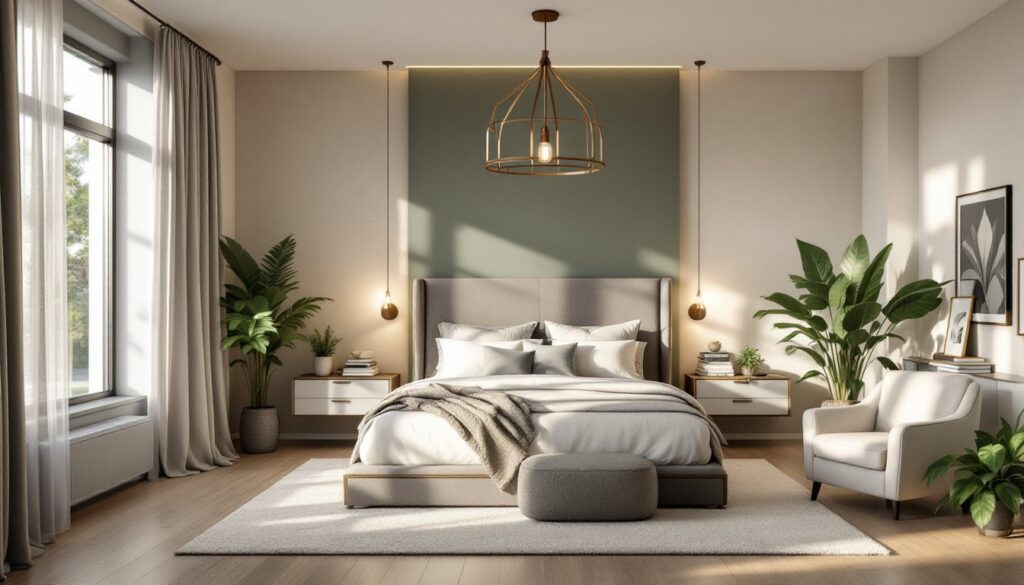
If you want a pop of color, use it sparingly. A single accent wall in a deeper tone (dusty plum, soft charcoal, or warm taupe) anchors the room without overstimulating. Paint it behind the headboard or on the wall you see first thing when waking up. Avoid painting above the bed if you’re sensitive to color, that view can feel heavy or oppressive.
Test paint samples on your wall under different lighting conditions. Morning light, afternoon sun, and evening lamplight all change how a color reads. Most hardware stores sell sample pints: apply a few inches on different walls and live with them for a day or two before committing.
Storage Solutions and Built-In Closets
Clutter undermines relaxation, so storage should be the backbone of your remodel. Beyond the bedroom closet, consider under-bed storage, floating shelves, and built-in cabinetry.
Under-bed storage is underrated. Rolling bins or low-profile drawers maximize wasted space without cluttering the room visually. Use them for off-season clothing, bedding, or items you rarely access. Label containers so you know what’s inside without opening each one.
If your closet is cramped, a professional closet system can be transformative. Custom closet organizers divide hanging space, add shelves, and include drawer dividers. Brands like Elfa and ClosetMaid offer modular systems you can install yourself: they run $500–$2,000 depending on closet size. For larger budgets, a built-in closet remodel (requiring framing, drywall, and electrical work) is worth consulting a contractor about.
For the bedroom itself, floating shelves above a dresser or along one wall provide storage without floor footprint. Use them for display (books, plants, framed photos) rather than overflow pile-up. Keep items intentional: too many decorative objects defeat the purpose.
Built-in nightstands are a space-saver if you’re remodeling the headboard area. A carpenter can build a simple frame with shelves and a drawer on each side. This is a moderate DIY project if you have basic carpentry skills and access to stud locations: otherwise, hire out.
Drawers and closed storage always look cleaner than open shelves. If building isn’t realistic, invest in attractive bins or baskets for open shelving to contain items visually.
Flooring Options for Comfort and Style
Bedroom flooring should balance comfort underfoot with durability and ease of cleaning. Your choice affects acoustics, temperature, and the overall feel of the space.
Hardwood adds warmth and looks timeless, but it’s cold in winter and can echo. If you choose hardwood, add a large area rug for comfort and sound absorption. Engineered hardwood is more stable than solid wood in moisture-prone rooms (like a bedroom adjacent to a bathroom).
Luxury vinyl plank (LVP) mimics hardwood while being waterproof and softer underfoot. It’s warmer in winter than true hardwood and quieter. Quality LVP runs $3–$8 per square foot installed: it’s a solid middle-ground option that holds up well in bedrooms.
Laminate is budget-friendly but doesn’t feel as warm or durable as hardwood or vinyl. It can also feel hollow underfoot if the subfloor isn’t solid.
Carpet is soft, warm, and sound-dampening, ideal if you like padding barefoot. It traps allergens and dust, so regular vacuuming (weekly) matters. If allergies are a concern, low-pile or solution-dyed carpet resists dust better than plush.
Tile (ceramic or porcelain) is easy to clean and looks sharp, but it’s cold and hard underfoot. Reserve it for en-suite bathrooms or if you’re adding radiant heating.
Whatever material you choose, underlayment matters. A quality underlayment (cork, rubber, or engineered foam) reduces noise, improves comfort, and extends floor life. Budget $0.50–$1.50 per square foot for underlayment. This is especially important with vinyl or laminate, where poor underlayment leads to hollow sounds and premature wear.
Accent Walls and Statement Features
An accent wall or statement feature anchors the room’s design without requiring a full overhaul. Done thoughtfully, it adds interest and can highlight architectural features or create a focal point.
Painted accent walls are the simplest approach. Choose one wall, typically behind the bed, and paint it a deeper or contrasting color while keeping other walls neutral. Go bold enough that it reads as intentional (soft sage pairs with cream: warm charcoal complements light gray). Half-measures often look unintentional.
Wallpaper offers texture and pattern in a way paint can’t. Peel-and-stick options make application easier if you rent or want to avoid permanent commitment. Traditional wallpaper requires paste and can be labor-intensive, but it lasts decades if installed properly. Grasscloth and textured papers add subtle dimension without overwhelming a small space.
Shiplap or paneling creates a cozy, modern farmhouse aesthetic. Real shiplap requires framing and finishing (primer, paint), which is moderate-to-advanced carpentry. Peel-and-stick shiplap alternatives exist but look less authentic up close. If you’re handy, real shiplap behind the headboard is a worthwhile weekend project.
Upholstered headboards are statement pieces that combine function with style. A fabric or leather headboard softens the room and adds comfort for reading in bed. You can buy pre-made headboards ($200–$1,000) or have an upholsterer build a custom one ($500–$2,000). DIY upholstery is achievable if you’re confident with a staple gun and have a template, but it demands precision.
For a lower-commitment statement feature, consider a feature lighting fixture, a dramatic pendant, chandelier, or sculptural sconce draws the eye and sets the room’s tone. Pair it with simpler ambient lighting elsewhere so it remains the focal point. Installation usually requires basic electrical work or professional help, depending on the fixture type.
Bedding and Soft Furnishings Updates
Soft furnishings, bedding, curtains, rugs, and pillows, anchor the room’s comfort and aesthetic. Quality here pays dividends daily.
Bedding is the largest visual element, so invest in it. High thread-count cotton sheets (400–600 thread count) feel soft and breathe well. Linen is durable and temperature-regulating but requires more care. Avoid overly thick comforters in warm climates: a lightweight duvet with a quality cover offers flexibility. Aim for breathable, natural fibers when possible.
Curtains or window treatments control light and temperature while framing windows beautifully. Blackout curtains improve sleep quality by blocking early morning light: pair them with a lighter shade underneath for daytime privacy. Motorized smart shades are sleek but expensive ($800–$2,000+ per window): traditional curtains are timeless and half the cost.
Area rugs define the seating zone and soften the room acoustically. A 5×8 or 6×9 rug placed under the bed and nightstands creates coziness. Quality matters, low-pile or flatweave rugs in natural materials (wool, jute) age well and hide dust better than synthetic fibers.
Throw pillows and blankets layer comfort and personalization without major investment. Mix textures (linen, velvet, knit) in a cohesive color palette. Keep the count reasonable (4–6 pillows per bed): too many feels cluttered.
Window treatments, linens, and rugs tie a remodel together without structural changes. If budget is tight, refresh these before tackling bigger upgrades. They’re also the easiest elements to swap out if your style evolves. For inspiration on layering textures and colors, resources like HGTV showcase bedroom design in action.
Conclusion
A master bedroom remodel doesn’t require gutting the room or maxing out your budget. Start with one or two high-impact changes, upgraded lighting and a fresh paint color, for example, then layer in storage, flooring updates, or statement features as time and budget allow. Prioritize what will improve your daily experience: if you’re light-sensitive, invest in blackout curtains and dimmers: if organization stresses you out, tackle storage first. The best remodel is one that reflects how you actually live, not how a magazine says you should.