Table of Contents
ToggleLiving in a tiny home doesn’t mean settling for a cramped, cluttered space that feels claustrophobic. With thoughtful decorating decisions, you can transform even the smallest square footage into a home that feels intentional, open, and genuinely beautiful. The key is strategic choices: every piece of furniture, color selection, and design element should earn its place by serving both function and aesthetics. Whether you’re a full-time tiny home resident or maximizing a compact apartment, these proven decorating ideas will help you create a space that looks bigger, feels lighter, and works harder for your lifestyle. The goal isn’t minimalism for its own sake, it’s smart, intentional design that makes your small space feel effortlessly stylish.
Key Takeaways
- A cohesive color palette of 3–4 colors using light neutrals and strategic accents makes tiny homes feel larger and more intentional without appearing bland or claustrophobic.
- Tiny home decorating relies on vertical storage and wall-mounted solutions to maximize square footage while keeping floor space open and breathable.
- Mirrors, layered lighting, and natural light transform small spaces by reflecting light and creating depth, making rooms feel more expansive than they actually are.
- Dual-purpose furniture such as storage beds, wall-mounted desks, and convertible seating ensures every piece serves both function and aesthetic in a compact layout.
- Layering textures, patterns, and natural elements like plants and wood tones adds warmth and visual interest to neutral palettes while maintaining the cohesive design necessary for tiny home decorating.
- Starting with one or two foundational changes—such as adding a mirror and applying a neutral paint color—creates momentum for transforming a small space into a stylish, personalized home.
Choose a Cohesive Color Palette
Your color strategy is the foundation of how spacious your tiny home feels. A cohesive palette, typically three to four colors maximum, creates visual continuity and prevents the space from feeling chaotic or boxed-in.
Light neutrals like soft white, warm gray, and pale beige are reliable choices for walls because they reflect light and recede visually, making rooms feel larger. But, neutrals don’t mean boring. A soft sage green, dusty blue, or warm taupe adds personality without overwhelming the eye. The trick is choosing colors that feel calm and connected rather than jarring or high-contrast.
Accent colors should be intentional. Rather than painting an entire wall a bold shade, introduce deeper or brighter tones through artwork, throw pillows, a single accent wall, or textiles. This keeps the dominant visual feeling spacious while adding character. Monochromatic schemes, varying shades of a single color family, work especially well in tight spaces because they guide the eye smoothly through the room without visual interruption.
Consider your lighting when selecting colors. What looks perfect in a showroom with bright white LEDs may feel flat in your space with warmer, softer natural light. Test paint samples on your actual walls and observe them throughout the day. Lighting dramatically changes color perception, and in a small space, that shift matters.
Maximize Vertical Space With Strategic Storage
In a tiny home, walls are your best real estate. Vertical storage leverages your square footage without consuming floor space, and floor space is what makes a room feel open and breathable.
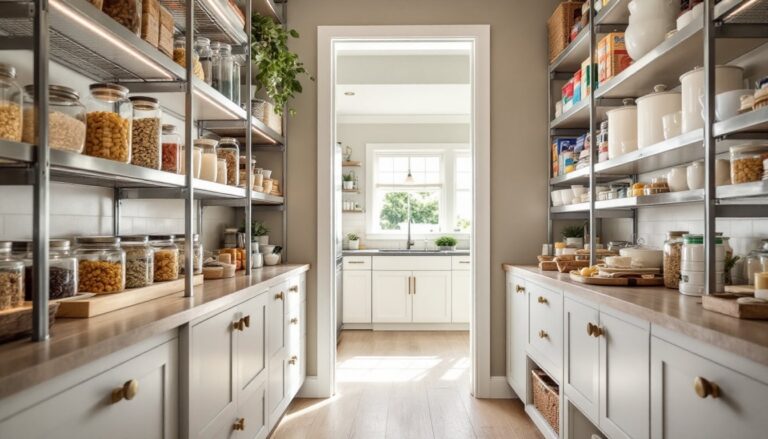
Floor-to-ceiling shelving draws the eye upward and maximizes every inch. Open shelving works well for lighter items, frequently used pieces, or attractive displays, but don’t shy away from closed cabinets or bins for clutter control. A mix of both, open shelves for decorative items and closed storage for everyday necessities, creates visual interest while maintaining organization.
Wall-mounted cabinets above desks, dining areas, or living spaces keep essential items accessible without eating into floor real estate. Consider corner shelving units that sit awkwardly unused in many homes: they’re prime storage real estate in a tiny space. Corner shelves, mounted shelving, or tall narrow cabinets transform dead space into functional storage.
One critical detail: avoid overstuffing shelves. Cramming too many items onto vertical storage defeats the purpose of making a space feel open. Aim for roughly 60% full, leaving visual breathing room. Cohesive storage containers, whether woven baskets, matching bins, or labeled boxes, create order and calm. The goal is having everything you need without it all being visually loud. Decorating Ideas for Stairs and other transitional spaces offer additional storage and display opportunities that many tiny home dwellers overlook.
Use Mirrors and Lighting to Create Openness
Mirrors are a time-tested hack for small spaces because they reflect light, create depth, and visually double the perceived square footage. A large mirror opposite a window bounces natural light throughout the room. Mirrors placed strategically on walls (not necessarily creating a gallery effect) make rooms feel airier and more expansive than they are.
Skip the heavy, ornate frames if they don’t match your style: a sleek frameless mirror or simple wooden frame keeps visual weight minimal. Even a tall mirror leaning against a wall (secured for safety) works and adds flexibility if you move.
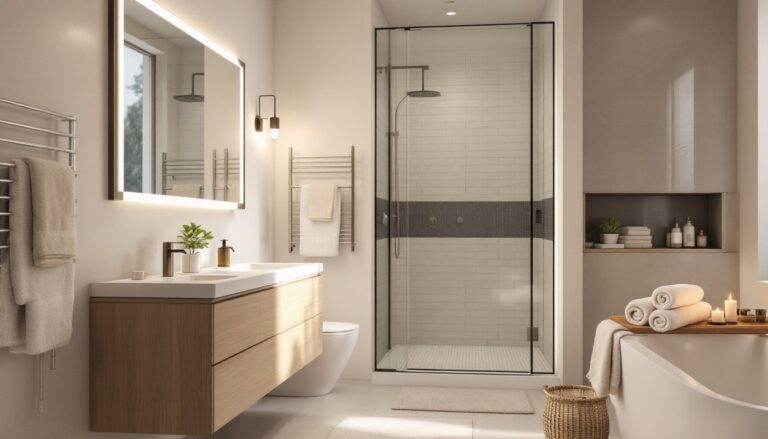
Lighting transforms tiny spaces. Overhead flush mounts or low-profile fixtures prevent ceiling clutter, but task lighting and accent lighting add depth and coziness without consuming visual space. Under-cabinet LED strips, wall sconces, and table lamps create layers of light that make a small room feel intentional rather than cave-like.
Natural light is non-negotiable. Keep windows uncovered or use sheer curtains that filter light without blocking it. If privacy is needed, roller shades or roman shades mount cleanly and consume far less visual real estate than heavy drapes. The combination of mirrors, natural light, and layered artificial lighting creates a space that feels open, welcoming, and three-dimensional rather than cramped. Candle Decorating Ideas to Transform Your Home also add warmth and an intimate layer of lighting without permanent installation.
Select Dual-Purpose Furniture
Every furniture piece in a tiny home should pull double duty. A bed with storage drawers underneath stores seasonal clothes, linens, or off-season items. An ottoman that opens provides seating and storage in one compact unit. A wall-mounted drop-down desk disappears when not in use, transforming a bedroom corner into usable floor space.
Consider the footprint carefully. Furniture with exposed legs (rather than a full base) makes spaces feel less blocked and heavier. A sofa with open legs, slim-profile nightstands, or narrow shelving units create visual lightness and actual floor clearance.
Nesting tables, murphy beds, sofas that convert to guest beds, and kitchen islands with seating and storage are all strategic choices. When shopping, ask yourself: does this piece serve two purposes? Will it look good even when I’m not actively using it? Does it consume floor space I can’t afford to lose?
Size matters too. Oversized furniture crowds a small space: right-sized pieces that fit the proportions feel intentional. A compact sofa sectional, a slim dining table, and minimal nightstands keep the room breathing. According to small space design principles, every furniture choice should align with your daily habits and spatial constraints.
Layer Textures and Patterns Thoughtfully
A cohesive color palette can feel flat without texture and pattern. Layering different textures, smooth, soft, rough, woven, adds visual interest and tactile warmth without cluttering the space.
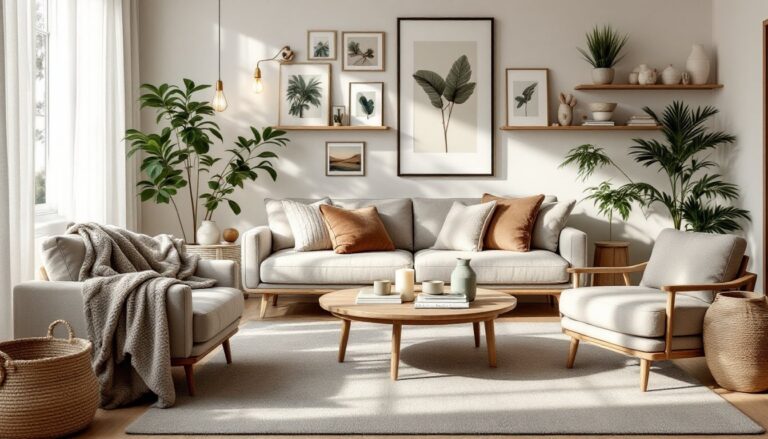
Consider mixing materials: a wool rug, linen throw pillows, a wooden shelf, metal fixtures, and a soft blanket all coexist in a small space without feeling chaotic if the color palette ties them together. Texture creates depth and makes a neutral room feel intentional rather than sterile.
Patterns work in small spaces when used sparingly. A geometric rug, patterned throw pillows, or wallpaper on a single wall add personality. The key is keeping the color story consistent: if your palette is cool grays and whites, a gray and white patterned pillow works. A clashing primary-color pattern breaks the visual cohesion. Mixing two patterns is fine if they share a color or scale: mixing three or more risks feeling busy.
Textiles are the easiest, most temporary way to add texture and pattern. Swapping throw pillows, rugs, or blankets seasonally keeps the space feeling fresh without permanent design changes. This flexibility is crucial in a tiny home where every square foot matters psychologically.
Bring in Natural Elements and Greenery
Plants, natural wood, stone, and fiber materials bring life and warmth to compact spaces. A single large plant (like a pothos or snake plant) in the corner becomes a focal point without consuming much footprint. Several small plants on shelves, windowsills, or hanging from a corner bracket add life and improve air quality.
Low-maintenance plants work best in tiny homes: pothos, ZZ plants, snake plants, and philodendrons tolerate lower light and forgive forgetful watering. Live plants freshen the air and add a biophilic element that makes small spaces feel less confined.
Natural materials, wooden shelving, a jute rug, woven baskets, linen curtains, or a stone vase, ground a space in organic textures. These materials warm up neutral palettes and feel less sterile than purely synthetic furnishings. A wooden floating shelf, woven storage baskets, and a natural fiber rug together create a cohesive, warm aesthetic.
Wood tones vary: consistency matters. Mixing light oak, dark walnut, and honey tones can feel jumbled: choosing one wood tone as your primary material (whether shelving, furniture, or accents) creates visual harmony. Creativity with mobile home backyard ideas and outdoor spaces extends your living area and provides natural sightlines into greenery, which psychologically expands perceived space.
Conclusion
Tiny home decorating is about intention, not limitation. A cohesive color palette, strategic storage, thoughtful lighting, dual-purpose furniture, layered textures, and natural elements transform a small footprint into a space that feels larger, lighter, and genuinely beautiful. Start with one or two changes, perhaps a mirror and a neutral paint color, then build from there. Your tiny home can be stylish, functional, and deeply personal. Resources like IKEA hacks tailored for small spaces and professional design guides offer additional inspiration as you refine your space over time.