Table of Contents
ToggleYour outdoor patio is the foundation, literally, for summer entertaining, quiet morning coffee, or just a place to breathe fresh air. Yet so many backyards settle for cracked concrete or worn-out pavers that look tired before they’re five years old. The good news: patio flooring has evolved. Whether you’re after low-maintenance composite decking, the timeless warmth of natural stone, or budget-conscious stamped concrete, there’s a solution that fits both your backyard and your lifestyle. Let’s walk through nine proven outdoor patio floor ideas that can turn an ordinary space into somewhere you’ll actually want to spend time.
Key Takeaways
- Outdoor patio floor ideas have evolved to include durable options like porcelain pavers, natural stone, composite decking, and stamped concrete that match any budget and climate.
- Porcelain pavers offer superior durability and freeze-thaw resistance compared to ceramic, with large-format designs ($10–$25/sq ft installed) that minimize visible grout joints.
- Natural stone like flagstone and bluestone provides timeless elegance but requires regular sealing every 1–3 years and careful selection for cold climates to prevent freeze-thaw damage.
- Composite decking eliminates maintenance requirements for traditional lumber while maintaining aesthetic appeal, making it ideal for low-maintenance outdoor living spaces.
- Permeable pavers provide eco-friendly drainage solutions that reduce runoff and can lower utility costs through stormwater credits while costing $10–$20 per square foot.
- Your patio flooring choice should prioritize climate performance, traffic expectations, maintenance tolerance, and local building codes rather than aesthetics alone.
Porcelain Pavers: Durability Meets Modern Style
Porcelain pavers have become the go-to choice for homeowners who want something durable without the fussiness of natural stone. Unlike ceramic, porcelain is fired at much higher temperatures, making it denser, less porous, and nearly impervious to staining and water absorption. This means they resist freeze-thaw cycles better than ceramic tiles, a big deal if you live anywhere north of the Mason-Dixon line.
They come in virtually any finish: large-format rectangles that mimic wood, smooth surfaces that read modern, or textured finishes that provide slip resistance without looking industrial. A standard porcelain paver runs about 12″ × 24″ or 18″ × 36″, though you can find everything from 6-inch squares to oversized 24″ × 48″ planks. The larger the format, the fewer grout joints and the cleaner the visual line, which is why architects love them.
Installation requires a compacted base (typically 4 inches of crushed stone), a layer of polymeric sand, and either a mortar bed or pedestals if you want adjustability. Grout color matters more than you’d think: light grout makes joints disappear, while dark grout emphasizes the grid pattern. Plan on $10–$25 per square foot installed, depending on size and finish. One caveat: they’re harder to cut than natural stone, so a wet saw rental (about $30–$50 per day) is worth budgeting for if you’re doing the work yourself.
Natural Stone: Timeless Elegance and Longevity
Flagstone, bluestone, granite, and slate carry a permanence that manufactured materials just can’t replicate. Each piece tells a story, irregular edges, color variations, natural weathering, and your patio will look even more refined as it ages. Flagstone works especially well in cottage or Mediterranean settings: bluestone suits contemporary homes: granite handles heavy traffic like a champion.
The trade-off is that natural stone is porous unless sealed, which means it stains more readily and requires maintenance. Sealer application every 1–3 years (depending on the product and foot traffic) is standard practice. Freeze-thaw damage is also a risk in cold climates: water seeps into surface pores, expands when frozen, and slowly degrades the stone. For this reason, sandstone isn’t ideal in northern zones, it simply doesn’t hold up as well as denser options like bluestone or granite.
Layout options range from random ashlar (irregular polygonal shapes that interlock like a puzzle) to more formal rectangular patterns. Installation follows the same base principle as pavers: 4 inches of compacted stone, setting bed, and pointing (grout). Costs run $12–$30+ per square foot installed, depending on stone type and thickness. Since each piece is unique, cutting requires careful planning, and professional cutting equipment is strongly recommended unless you’re confident with a stone saw. Uneven surfaces are charming but can be a trip hazard in high-traffic areas, so consider a slight slope for drainage.
Composite Decking: Low-Maintenance Outdoor Living
Composite decking, a blend of wood fibers and plastic polymers, strips away the maintenance headaches of traditional pressure-treated lumber while keeping the warm aesthetic. No sanding, staining, or sealing required. A quick rinse with a garden hose every season, and it’s done.
Composite comes in two forms: solid boards (like Trex, TimberTech) that are uniform throughout, and capped composites with a protective polymer shell that further resists staining and fading. Capped versions last longer under sun and heavy use, though they cost 15–25% more. Colors range from warm honey tones to cool grays: some manufacturers now offer finishes that mimic weathered wood or stone.
One honest note: composite doesn’t “breathe” like real wood, so proper ventilation underneath is critical to prevent rot or mold on the underside. You’ll still need a solid substructure (posts, joists, ledger board anchored to the house) that meets local building codes, often requiring a frost line depth of 36–48 inches depending on your region. Installation is straightforward once the frame is set, and standard decking boards run $8–$15 per square foot installed. Some municipalities require decks above a certain height to have guardrails and stairs that meet IRC standards, so check local codes before you build. Mobile home backyards especially benefit from composite decking since you can transform the look without damaging the structure.
Permeable Pavers: Eco-Friendly and Functional
Permeable pavers are engineered to let water drain through, a game-changer for preventing pooling, reducing runoff, and managing storm water. They’re made from porous materials like permeable concrete, recycled plastic, or open-grid designs filled with gravel or turf.
They work brilliantly in areas with heavy rainfall or where local ordinances restrict impervious surfaces. Instead of water pooling on a concrete pad and running off into storm drains, it percolates through the paver matrix into the soil below, recharging groundwater and filtering pollutants naturally. Many municipalities in the Northeast and Pacific Northwest now incentivize their use with stormwater credits that can lower your utility costs.
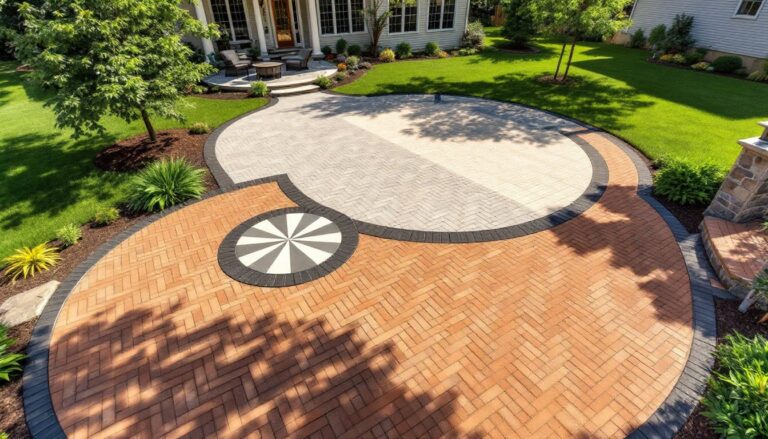
Aesthetically, they range from traditional-looking concrete pavers that happen to be porous, to modern gravel-filled grids, to sophisticated turf pavers that blend lawn with solid walkways. Installation requires an underdrain system (typically perforated pipe at the base) and proper grading, water must flow toward the patio, not away from it. Cost is comparable to standard pavers, $10–$20 per square foot, but the environmental payoff and long-term drainage benefits justify the investment. Maintenance involves clearing debris and occasionally pressure-washing, but they’re forgiving underfoot and age gracefully. If you’re committed to sustainable outdoor living, these are a smart choice.
Stamped Concrete: Budget-Friendly Design Options
Stamped concrete is the secret weapon for creating the look of high-end stone, brick, or wood at a fraction of the cost. Contractors pour standard concrete, apply a release agent, press textured mats into the surface before it sets, and optionally stain for color variation. The result mimics everything from slate to slate-look wood to a Mediterranean stone pattern.
The appeal is obvious: a 3 × 4 foot slab of stamped concrete runs roughly $8–$15 per square foot installed, whereas the real materials it mimics could cost double or triple that. It’s also seamless, low-maintenance, and handles freeze-thaw better than you’d expect, though it can crack over time if the base settles unevenly. Always insist on proper slope (a minimum 1-inch drop per 8 feet away from structures) and air-entrained concrete (which includes tiny air bubbles that protect against freeze-thaw damage).
The catch: stamped concrete is only as good as the prep work. A poorly compacted subbase or inadequate control joints will show up as cracks after the first winter. It also darkens with age and can look dated if the pattern was trendy five years ago. UV-protective sealers help preserve color but add to maintenance over time. For a patio that will endure decades, consider hiring a licensed concrete contractor rather than attempting it yourself, the stamping and finishing require experience and timing. Western outdoor entertaining styles often lean on stamped concrete for durability and cost-effectiveness.
Choosing the Right Material for Your Space
Selecting patio flooring isn’t just about aesthetics: it’s about matching materials to your climate, usage, budget, and honest maintenance tolerance. Here’s how to think through it.
Climate first. Freeze-thaw regions demand materials with low water absorption and proven cold performance. Porous stones like sandstone struggle: porcelain, composite, and properly sealed bluestone thrive. Warm, dry climates are more forgiving, natural stone feels luxurious, and sealing is less critical.
Foot traffic and durability. High-traffic patio spaces benefit from porcelain or composite: lighter entertaining areas can embrace the charm of flagstone. Granite and dense basalt are virtually indestructible: slate and sandstone need respect.
Maintenance commitment. Love the idea of natural stone but dread sealing? Be honest, because you’ll resent doing it every two years. Composite decking and permeable pavers reward low-maintenance habits. Stamped concrete sits in the middle: simple cleaning, occasional sealing.
Budget reality. Stamped concrete and composite are most forgiving on wallet: natural stone and large-format porcelain demand more upfront but age beautifully. Installation costs vary wildly by region and existing conditions, so get local quotes rather than relying on national averages.
Building codes and permits. Decks over 30 inches high almost always require a permit and guardrails meeting IRC standards. Some jurisdictions mandate stormwater management, favoring permeable solutions. Check with your local building department before committing, surprise permitting costs derail many projects. Design inspiration for outdoor entertaining can come from exploring regional styles, like the aesthetic found on Southern outdoor living guides or regional garden planning resources.
Conclusion
The right patio flooring transforms your outdoor space from an overlooked corner into a destination. Whether you prioritize durability with porcelain, timeless beauty with natural stone, ease of upkeep with composite, or sustainability with permeable pavers, there’s a material that fits your life. Take time to visit installed projects in your neighborhood, feel the surface underfoot, and imagine how it’ll look in sunlight during different seasons. That’s when the right choice becomes obvious.